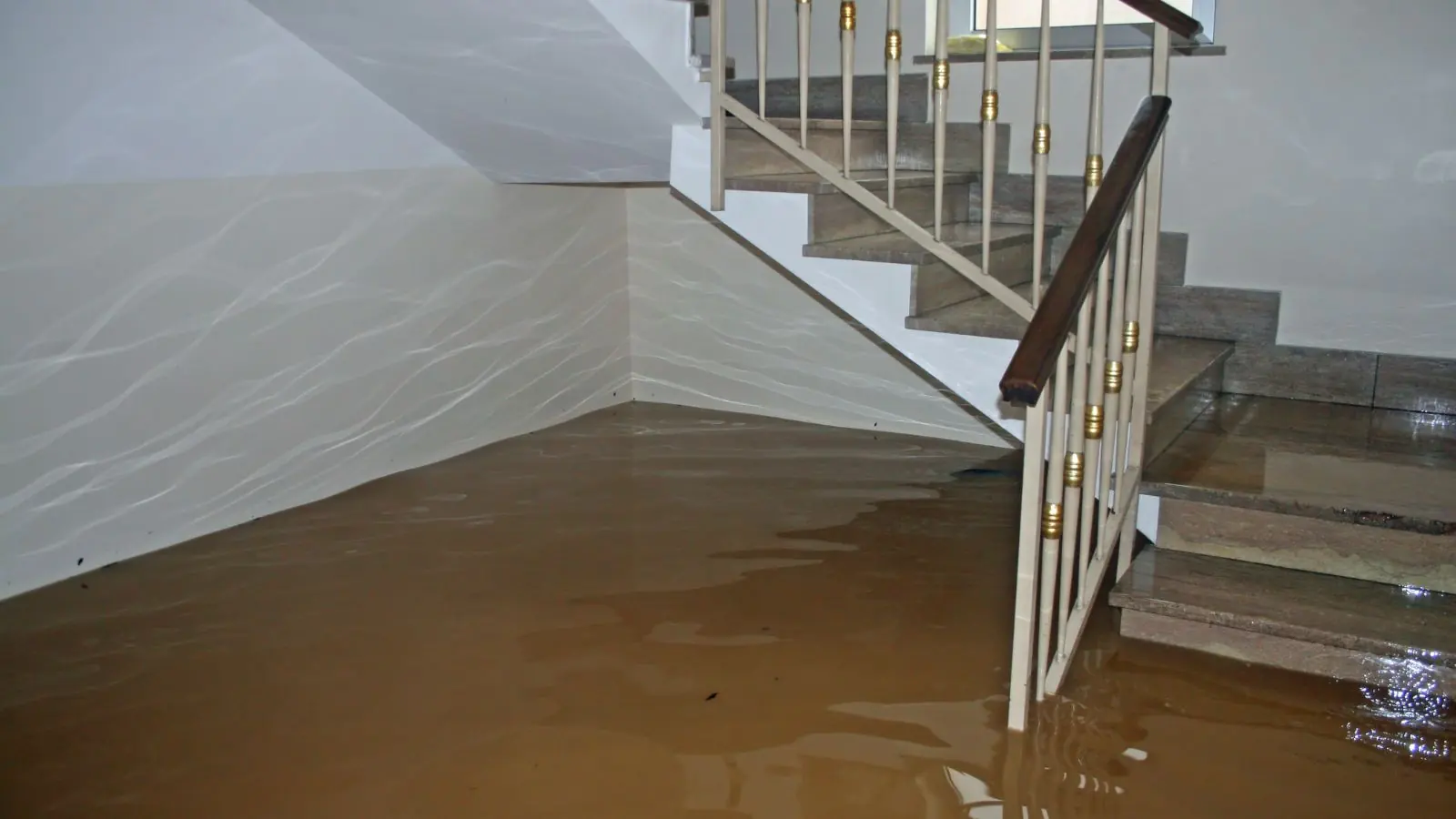
Basement water damage repair cost in Indio, CA depends on five measurable things: the category of the water, how much area and depth is affected, which materials got wet, how many days of drying it takes, and how much rebuilding follows. Nobody can responsibly name a total before someone checks the space with a moisture meter. This guide shows what they will check, so the written scope makes sense when it arrives.
One note on the word basement. Not every Indio home has one, so this guide also covers the places where the same math applies: a lower-level room, a garage that sits below the street, a sunken area, a stairwell or a crawl space. Whatever the space is called, the scope, the drying plan and the cost factors work the same way.
Why nobody can quote a lower-level job by phone
A wet lower level hides most of its problem. The carpet may look fine while the pad underneath is soaked, and the drywall may feel dry at eye level while the bottom four inches are saturated. Wicking pulls water up a wall the way a paper towel pulls water out of a glass. A phone call can describe the surface, but only readings show the depth.
That is why a reputable crew starts with a moisture meter, a thermal imaging camera and a slow walk through the space. Those tools produce a map of what is wet. The map becomes the scope of work, and the scope of work becomes the price. A company that hands you a firm figure without seeing the room is guessing.
The right sequence is short: stop the source, read the moisture, write the scope, explain the price, then start. Ask any company to explain its price before work begins, and expect the dispatcher on the 24/7 line to describe that same sequence when you first call.
The five cost factors at a glance
Every lower-level water loss is priced from the same five inputs. Lay a written scope next to this table and you can see which input each line item comes from.
| Factor | What gets measured | How it moves the bill |
|---|---|---|
| Water category | Clean supply water (Category 1), gray water (Category 2) or contaminated water (Category 3) | Higher categories mean more removal, more sanitizing and more protective gear, so the scope grows |
| Area and depth | Square footage of wet floor, height of wicking on walls and depth of any standing water | More area means more extraction time and more air movers, and deeper water reaches more materials |
| Materials affected | Carpet and pad, drywall, insulation, baseboards, cabinets, wood framing and concrete | Porous materials often cannot be saved, while concrete and framing can usually be dried in place |
| Drying days and equipment | Daily moisture readings and the number of air movers and LGR dehumidifiers running | Each added day of equipment adds cost, and thick or enclosed materials dry slowly |
| Rebuild scope | What was removed and must be replaced, such as drywall, paint, flooring and trim | Rebuilding is a separate scope, and finish choices change it a lot |
No dollar amounts appear here because the numbers depend on a site visit and the written scope.
What each factor looks like in a real lower-level room
Water category
A broken supply line under a bathroom sink sends clean water. A washing machine drain hose sends gray water. Sewage and storm runoff are Category 3. The category is set at the start and can worsen if clean water sits and picks up contamination.
Area and depth
Two inches of water over a 400 square foot room is a lot more volume than most people expect. Crews extract first, then measure how far the wall wicking climbed so cuts are made at the right height.
Materials affected
Carpet over a wet pad is often pulled and discarded. Drywall that stayed wet is cut out above the wet line. Concrete slabs and structural wood are usually dried in place, not replaced.
Drying days and equipment
Air movers push air across surfaces and LGR dehumidifiers pull the moisture out of that air. Crews log readings each day and stop only when materials reach their dry goal, so drying lasts as many days as it needs.
Rebuild scope
Once the structure is dry, replacement begins. A cut-out wall needs new insulation, drywall, paint and trim, and that work is priced apart from drying. This is where your finish choices matter.
Where the water came from changes the job
A pipe failure, a storm and a sewer backup can leave the same puddle and three very different bills. Supply-line water is the simplest case, and a crew can often handle it with emergency water removal followed by drying. Storm runoff carries soil and debris and is treated as contaminated, which falls under flood damage restoration.
Sewage is the most involved. Porous materials that touched it are generally removed, surfaces are cleaned and sanitized, and the crew sets up containment to keep contamination out of the rest of the house. If you see sewage, stay out of the water and call the 24/7 line before touching anything.
The reason this matters for cost is simple. The category decides how much of the room can be saved. A clean-water loss caught the same day may leave the framing, the slab and even some flooring in place. A contaminated loss often removes every porous surface up to the wet line.
Document the room before cleanup starts
Take wide photos and close-ups of every wet surface, write down when you first noticed the water, and keep damaged items until your insurer says otherwise. Crews also log moisture readings and photos as they work, which helps when you file a claim.
Not sure how far the water has traveled? Describe the room to dispatch and ask which readings they will take.
☎ (760) 769-1159Insurance and flood: who pays for what
Insurance decides who pays, and the cause decides what insurance does. The California Department of Insurance says homeowners policies do not cover flood damage but do cover other kinds of water damage. A burst pipe or an appliance failure is a different event from storm runoff pushing in under a garage door.
Flood coverage is a separate policy, and the Department notes it usually takes effect 30 days after purchase. You cannot wait for the storm warning and then buy it. Read your declarations page now, because that page tells you how a basement or lower-level loss would be paid.
Gradual leaks and neglected maintenance are often treated differently from sudden and accidental events. Your policy language controls, so check your policy before assuming either way, and ask your insurer which cause it considers covered.
What a written scope should include
Whichever company you call, the paperwork should answer the same six questions. If one is missing, ask for it before work starts.
- Which rooms and surfaces were measured, with the moisture readings listed
- The water category the crew assigned and the reason for it
- What will be removed, what will be dried in place and what is left for a later decision
- How many air movers and dehumidifiers are planned and how often readings are taken
- Whether rebuilding is included or quoted as a separate step
- How the scope changes if new wet areas turn up behind a wall or under a floor
Drying versus demolition, the choice that splits the cost
The biggest swing in a lower-level job is whether a material is dried or removed. Drying costs equipment days. Removal costs labor now and replacement later. ANSI/IICRC S500 is the published standard for professional water damage restoration, and it guides how crews classify water and set drying goals. You can ask any company whether its crews work to it.
Garages and crawl spaces complicate the choice. Dirt and concrete dry slowly, access is tight and setup takes longer. Stairwells trap humid air and slow the process further. When porous items have been wet for more than a day or two, the case for removing them gets stronger because they keep holding moisture.
Once the space passes its drying goal, rebuilding starts. That work is covered under water damage repair, and it is worth deciding finishes early, since paint, flooring and trim choices change the rebuild scope more than the drying does.
How to compare two estimates
When two scopes arrive with different totals, line them up factor by factor. One may include the rebuild and the other may stop at drying. One may plan four air movers and the other eight. Ask each company to explain its water category call and its equipment count. The smaller scope is not automatically wrong, and the larger one is not automatically padded.
Also confirm licensing. California requires a contractor license for work valued at $1,000 or more in combined labor and materials. Ask to see the license number and verify it with the state before work starts.
Crews dispatch from Indio across the valley, including Coachella and Thermal, and the same scope-first approach applies in both places.
Lower-level water risks in Indio: local notes
The City of Indio's storm page tells residents to find out whether a home is in a floodplain by entering the address at FEMA's Flood Map Service Center, and the city code adopts FEMA's special flood hazard areas by reference. For a lower-level space the check matters most, because water that reaches a property tends to find its lowest door first. Look up your address before you decide how much flood coverage to carry.
Tropical Storm Hilary, August 19 to 21, 2023, shows what moving water can do nearby. A FEMA public notice posted in November 2024 says erosion of the Coachella Valley Stormwater Channel from Hilary floodwaters damaged the city's Westward Ho water main. A damaged main or an overtopped channel is outside a homeowner's control, so the practical step is to know where your shutoff valve is and where water would enter a garage or lower room.
For sewage, Valley Sanitary District is the sewer agency for Indio and surrounding areas, and Indio Water Authority supplies drinking water. Knowing which agency owns the line outside helps you describe a backup correctly when you call.
Frequently asked questions
It can. Lower levels collect water and cannot drain by gravity, so extraction often needs pumps, and wicking can hide wet drywall and insulation. It is not automatic, though. The same five factors set the price in every room, and a small clean-water leak in a lower room can cost less than a large one upstairs.
Not a firm one. A dispatcher can explain how scope and price are set and tell you what readings the crew will take. The number comes after the space is measured, and it should be explained to you before work starts.
The same factors apply. Crawl spaces add tight access and slow-drying soil, garages add concrete and stored belongings, and both can change the equipment count. Contact emergency water removal dispatch if water is standing now.
Check the FEMA flood map for your address, then read your homeowners policy. California's insurance department says homeowners policies do not cover flood damage, and a separate flood policy usually takes effect 30 days after purchase. Ask your insurer or agent what applies to your property.
Crews working in Thermal and Coachella see the same coverage question, since it depends on the cause of the water and not the town.
It depends on the materials and how long they were wet. Crews take readings every day and compare them to a dry reference, and drying ends when the wet areas match it. Nobody can promise a number of days before those readings exist.