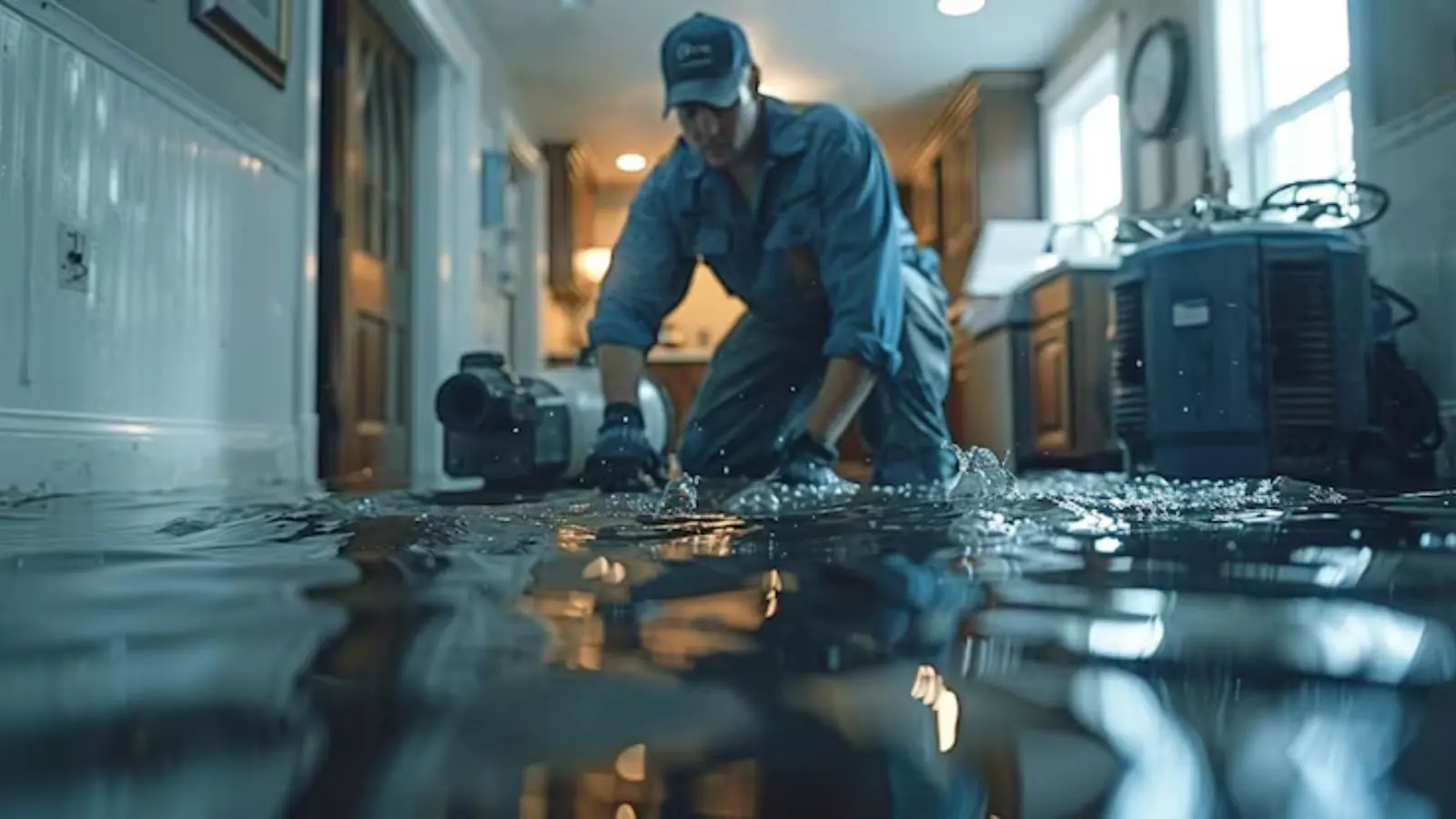
Floodwater in your Indio home is an emergency, and the 24/7 line is open now. While you wait for a crew, stay out of standing water, shut off electricity at the breaker panel only if it is dry and safe to reach, lift valuables above the waterline. Keep children and pets out of any water that came from outside or from a drain.
Flood damage restoration is the work of getting storm runoff, groundwater or sewage-tainted water out of a building and returning it to a dry, sanitary condition. It differs from a plumbing leak because flood water carries silt, bacteria and debris, so it is usually treated as Category 2 or Category 3 water under the ANSI/IICRC S500 standard.
A same-day crew visit is possible when someone is free, including after hours. Tell the dispatcher where the water entered and how deep it is, and they will explain what to do next.
When floodwater is an emergency
Flood losses are urgent for three reasons. The water itself is contaminated, it spreads quickly into porous materials, and a house that stays wet is a house that starts to grow mold. Treat it as an emergency when water has entered living areas, when it has risen near outlets, or when it carries mud, sewage or yard runoff.
After-hours calls get the same attention as daytime calls. Crews can be dispatched at night and on weekends, and same-day response is offered when a crew is available.
Safety first: electricity and contaminated water
Do not wade through water that touches outlets, extension cords or appliances. Shut off power at the panel only if the panel is dry and you can reach it from dry ground, and call 911 or the utility for any electrical or gas risk before you call the restoration line.
Floodwater and sewage should not touch bare skin. Keep children and pets out of the area until a crew has removed the water and sanitized the surfaces.
How flood damage differs from a pipe leak
A burst supply line sends clean water into one part of a house. Flood water comes from outside or from a drain, travels across yards and driveways and picks up soil, bacteria and chemicals on the way. The S500 standard classifies it as Category 2 or 3, which changes the plan.
Porous materials that soaked up Category 3 water are usually removed and discarded rather than dried in place. That means carpet and pad, insulation and the lower section of drywall, often cut away above the visible waterline. Hard surfaces are cleaned and disinfected, and the structure is dried with air movers and LGR dehumidifiers until moisture meters confirm it is dry.
Flood materials: save, clean or remove
This decision framework shows how crews generally treat common materials after Category 2 or 3 water. The final call depends on moisture readings and how long the water sat.
| Material | Typical result | Why |
|---|---|---|
| Carpet and pad | Removed and discarded | Absorbs contaminants and is hard to sanitize fully |
| Drywall and insulation | Cut out above the waterline | Wicks water upward and traps contamination inside the wall |
| Solid wood furniture | Often cleaned and dried | Dense material can sometimes be saved if cleaned promptly |
| Tile and sealed concrete | Cleaned and disinfected | Non-porous surfaces release water and can be sanitized |
| Laminate and engineered flooring | Usually removed | Swells and delaminates, and water collects beneath it |
Flood history in and around Indio
Tropical Storm Hilary struck Southern California from August 19 to 21, 2023. A FEMA public notice posted in November 2024 says floodwaters eroded the Coachella Valley Stormwater Channel and damaged the City of Indio's Westward Ho water main, in an area mapped as a Special Flood Hazard Area. Riverside County proclaimed a local emergency and reported flooded neighborhoods across the region.
More recently, local TV reported flash flooding in the Indio Hills area on September 28, 2026, with Dillon Road closed for several hours and a flash flood warning that also covered Indio. That event was north of the city, so it was not a flood inside Indio itself, but it shows how quickly desert washes can fill.
The practical takeaway is to look up your address at the FEMA Flood Map Service Center, stack sandbags at doors and low points before a storm, and keep a record of your home's low spots. The City of Indio storm page recommends these steps.
Basement flooding cleanup
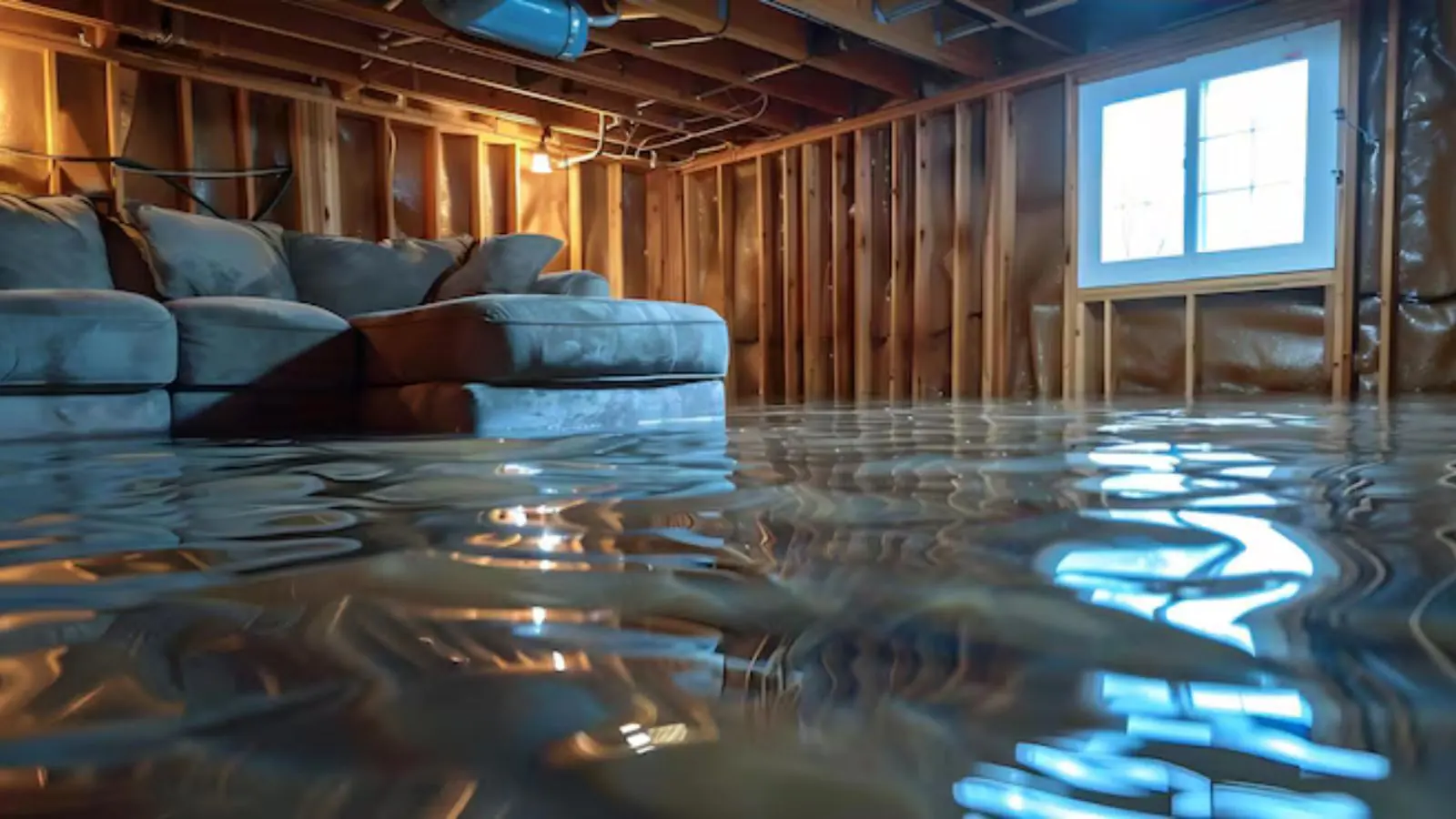
If your home has a basement, crawl space, garage low spot or sunken room, that area collects water first and holds it longest. Standing water there is pumped out with submersible pumps, then the space is cleaned and the structure is dried.
Crews remove wet insulation, carpet and the lower part of any finished walls, then run air movers and dehumidifiers until moisture readings fall into the dry range. Pumping too fast from a space with saturated soil outside can stress the walls, so a crew lowers the water in stages.
Restoration is not waterproofing. A restoration crew can dry the space and rebuild it, but keeping water out needs drainage work, grading or a sump system from a different trade. The crew can tell you what they saw while they were on site.
Sewage coming up a drain or toilet?
Gurgling drains, sewage smell, or dirty water rising in a floor drain, tub or toilet usually points to a blockage or a problem in the sewer line. The trade name for the cleanup is sewage backup cleanup, and it begins with keeping everyone away from the water.
Sewage is Category 3 water. Crews wear protective gear, extract the water, remove porous materials that touched it, then clean and disinfect hard surfaces. Dehumidifiers and air movers dry the structure, and HEPA air scrubbers can help with airborne particles in some jobs.
In Indio, sewer service is run by the Valley Sanitary District, so report the backup to them while you call for cleanup. If the blockage is in your own lateral line, a plumber has to clear it before the cleanup can be finished.
What affects the cost of flood restoration
Price depends on what the flood did to your home. Scope and price are explained before work starts.
Water category
Category 3 water requires more protective gear, disinfecting and removal than clean water.
Affected area
Water in one room is a smaller job than water across a whole floor or into a garage and living area.
Materials involved
Carpet, insulation and drywall often have to be replaced, while tile and sealed concrete can be cleaned.
Drying days and equipment
Flooded structures hold moisture, so air movers and dehumidifiers may run for several days.
Rebuild scope
Replacement of drywall, flooring and trim is priced after the structure is dry and cleaned.
Flood insurance and your claim
Flood is the one kind of water damage that homeowners policies usually leave out. The California Department of Insurance says flood insurance is sold as a separate policy, and policies generally take effect 30 days after purchase. Sudden pipe failures and other non-flood water damage may fall under your homeowners policy, so the cause of the water matters.
Ask your insurer how your loss is classified before you assume anything, and keep a log of calls and paperwork. The crew can document moisture readings and photograph damaged materials as they are removed, which helps with whichever policy applies.
Floodwater is not waiting for the weather to clear. The 24/7 line is open.
☎ (760) 769-1159What happens after extraction
Once the water is out, the structure has to dry. That is the work of water mitigation, and it runs alongside water damage cleanup for debris and sanitizing. When everything reads dry, the water damage repair stage replaces drywall, flooring and finishes.
The same crews dispatch to Coachella and the rest of the valley, so a storm that hits several towns does not need a different phone number.
Frequently asked questions
Yes. The dispatch line is open 24 hours a day, every day, so a midnight storm gets the same answer as a weekday call. Flash flooding in the desert can arrive with little warning, and water that enters a home overnight is often worse by morning.
Same-day visits depend on crew availability. No arrival time is promised, but you will be told how to stay safe while you wait.
Usually not. The California Department of Insurance states that homeowners policies do not cover flood damage, although they do cover other kinds of water damage. Flood coverage is bought as a separate policy, often through the National Flood Insurance Program, and it generally takes effect 30 days after purchase.
Read your policy or ask your insurer how your loss is classified. Photos, moisture readings and a written scope from the restoration crew help whichever claim applies.
Enter your address at the FEMA Flood Map Service Center, which is the tool the City of Indio storm page recommends. The city also adopts FEMA special flood hazard areas in its municipal code.
A map zone is not a guarantee in either direction, because desert washes and clogged drains can flood areas that are not shaded on a map. Ask your insurer what coverage fits your address.
No. Floodwater can hide live electrical hazards, sharp debris and contamination. If water has reached outlets or the panel, stay out and call 911 or the utility before calling the restoration line.
The City of Indio also warns drivers that six inches of water reaches the bottom of most passenger cars, so keep the same caution when you are moving around the property.
Stay out of the area, keep people and pets away and do not use sinks or toilets until the line is cleared. Sewer service in Indio is handled by the Valley Sanitary District, so report the backup to them while you call the restoration line.
Sewage backup is Category 3 water, so cleanup involves protective gear, removal of porous materials and disinfecting. The section on sewage backup cleanup below explains the steps.
Extraction can take hours, but drying a structure that soaked up floodwater takes days, and rebuilding takes longer. The timeline depends on how deep the water was, how long it sat and which materials absorbed it.
The crew takes moisture readings each day and stops drying equipment only when the readings show the structure is dry. The water mitigation page describes that drying process.
No. Restoration cleans up and dries after water gets in. It does not stop future flooding. If you want to keep water out, you need a drainage contractor, a foundation specialist or a landscaper, depending on where the water enters.